
Apples of an Artist's Eye
David Hockney RIP

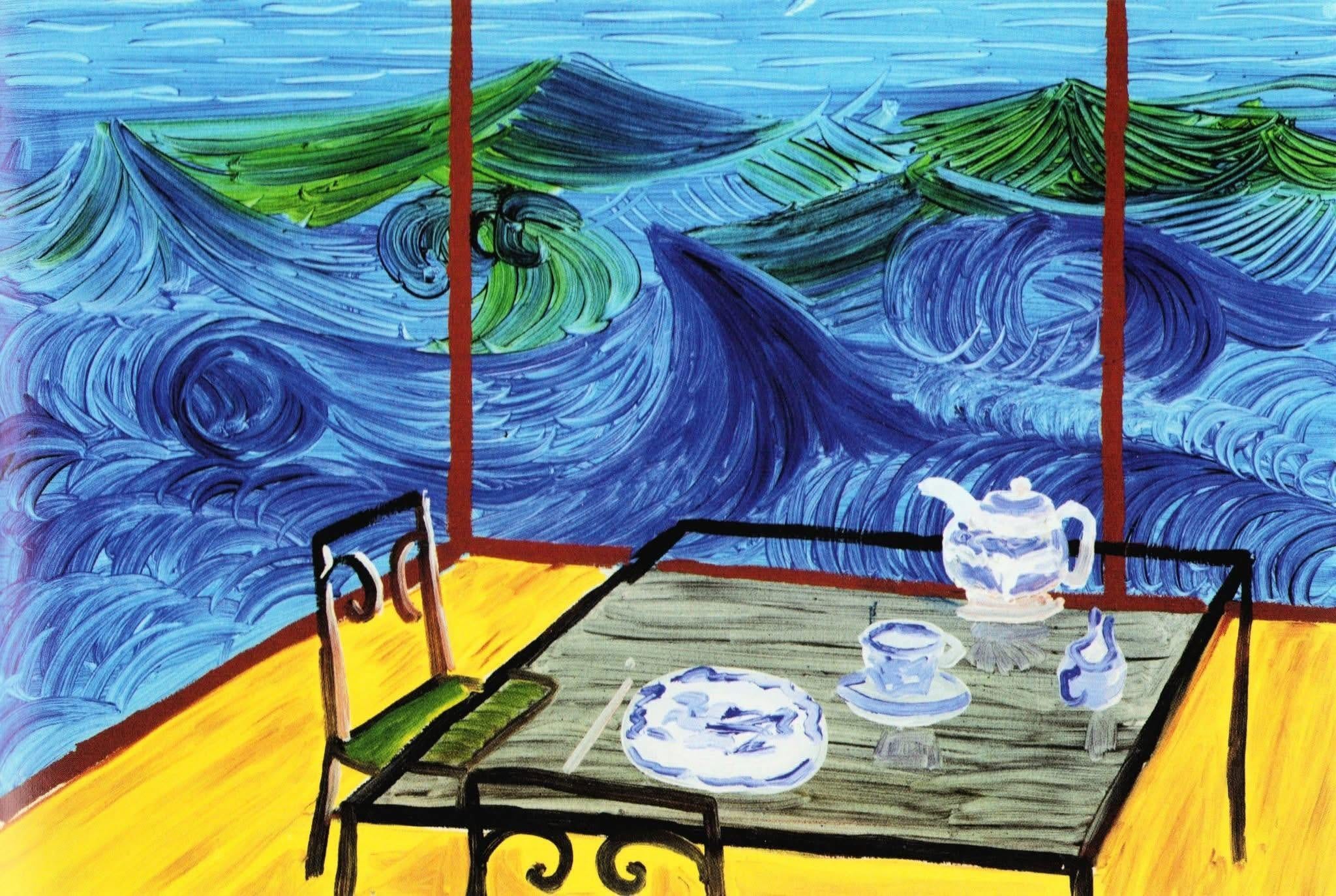
Where to begin? A career as long and fertile as that of David Hockney, who died last week aged 88, cannot be rolled up or pinned down in an article. Hockney was always evolving, always seeking fresh pastures to feed the hunger for image-making that lived inside him. This is a Substack about things – about the inanimate world – so let us briefly consider how the great Yorkshireman approached this subject in his art. We are not short of material.
Begin with the sketchbooks, always a good way to see under the bonnet of an artist’s practice. Here we have a drawing of an ash tray:
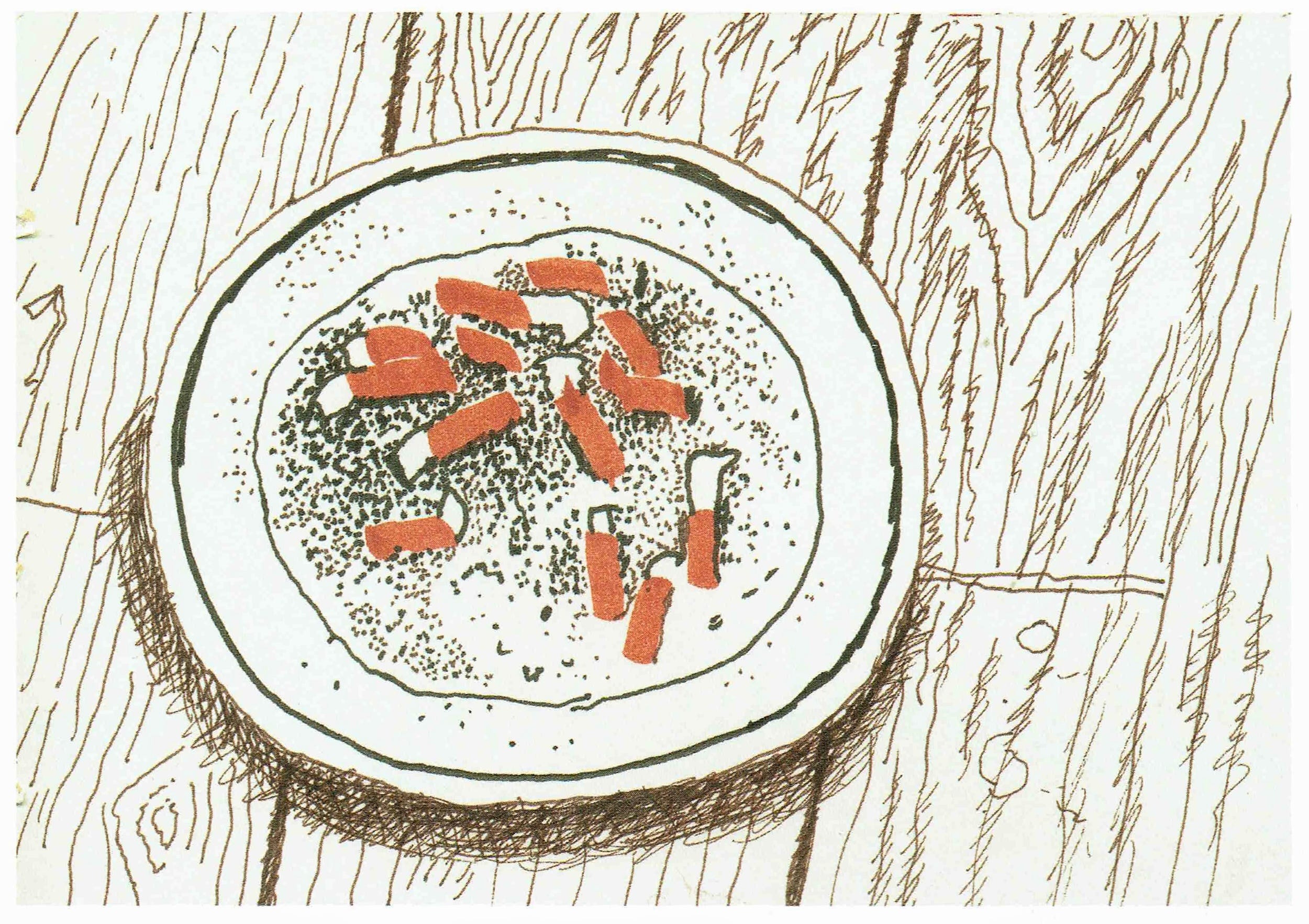
Cigarettes were an important part of Hockney’s life. He was a passionate smoker, not only in the sense that he enjoyed doing it, but also that he was an active and charming critic of anti-smoking measures, part of his opposition to the “bossy boots” culture of restricting life’s pleasures in the name of health and safety. He liked to remind the proponents of safetyism that “the ultimate cause of death is birth.”

But the ash tray also suggests, on a basic level, what kind of artist Hockney was. He was always looking at the world around him, however ordinary its contents, and thinking about how to make a picture out of it. Everything was a puzzle to be resolved by the artist’s skill in perception and in the use of his tools. In this instance, the answer comes from a compositional balance between the circular plate and the linear floorboards, emphasised by the contrast of the speckled ash markings with the softly drawn grain of the wood.
Hockney is often described as “accessible”, but in some senses he was very much an artist’s artist. He was always interested in the challenges of representation: in portraying things that are difficult to portray, and doing so imaginatively, in ways that deepen or enliven our perception. We see this in his enduring fascination with cubist techniques, whereby images are formed from a composite of different perspectives, making the picture plane accommodate the fluidity and multiplicity of real sensory experience.
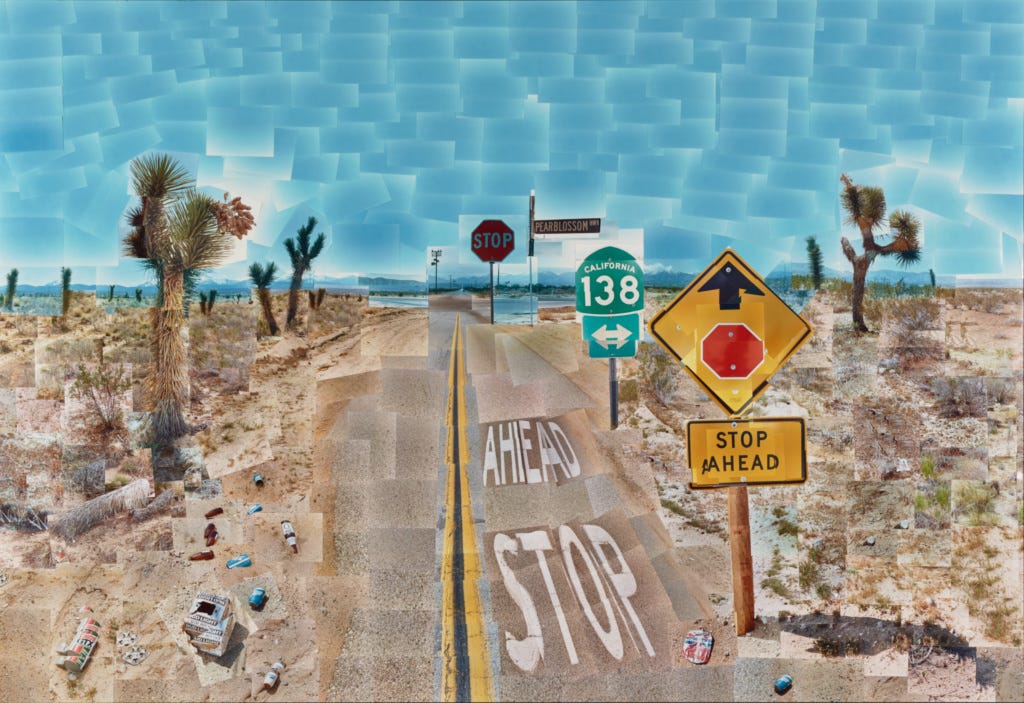
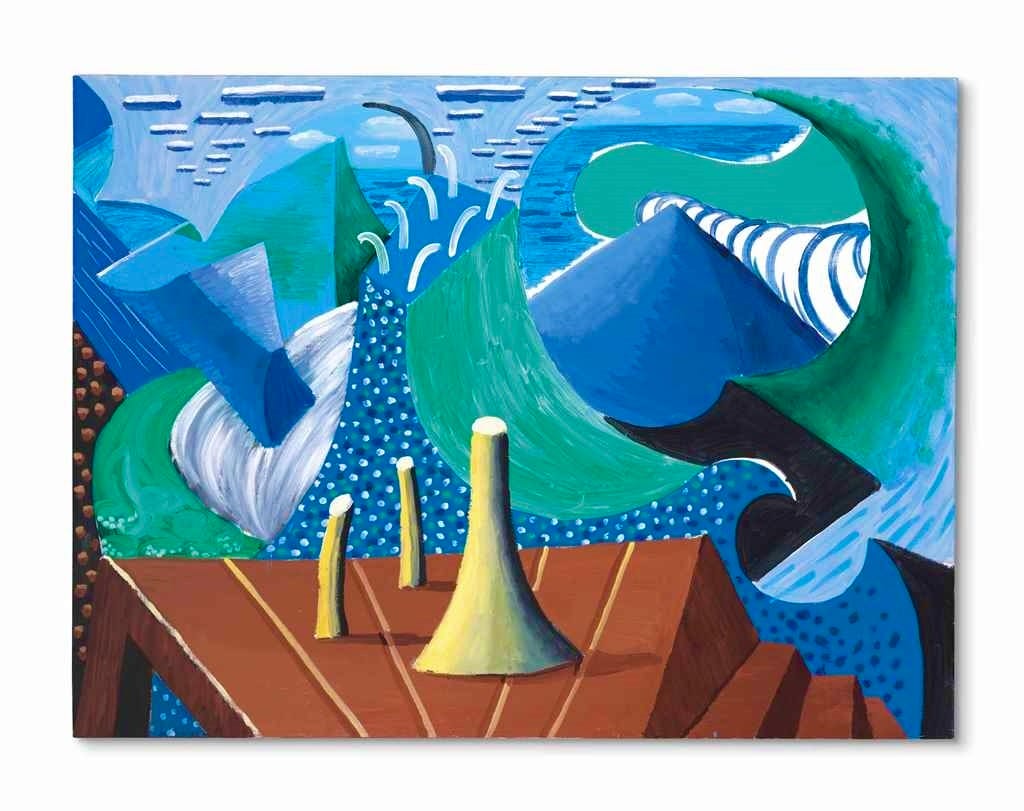
Hockney was also promiscuous in exploring the possibilities of different artistic media. His iPad drawings are well known, but these are small fry compared to, for instance, his experimentation with etching and lithography techniques, as I discovered when I began to take an interest in printmaking. To appreciate these two aspects of Hockney’s practice, representation and versatility, we need only look at his treatment of water, a subject that the artist once said interested him because “it can be anything – it can be any colour, it’s moveable, it has no set visual description”.
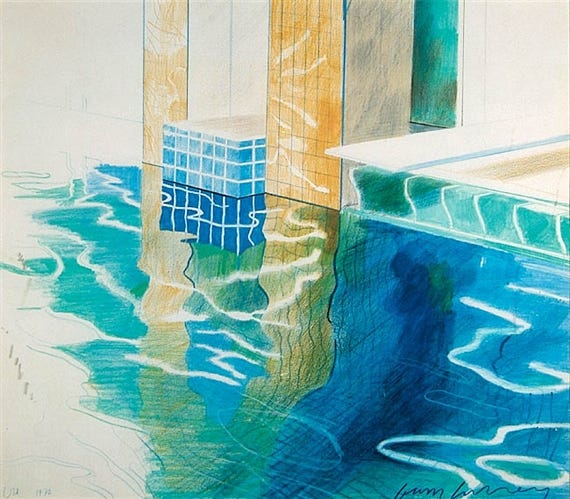
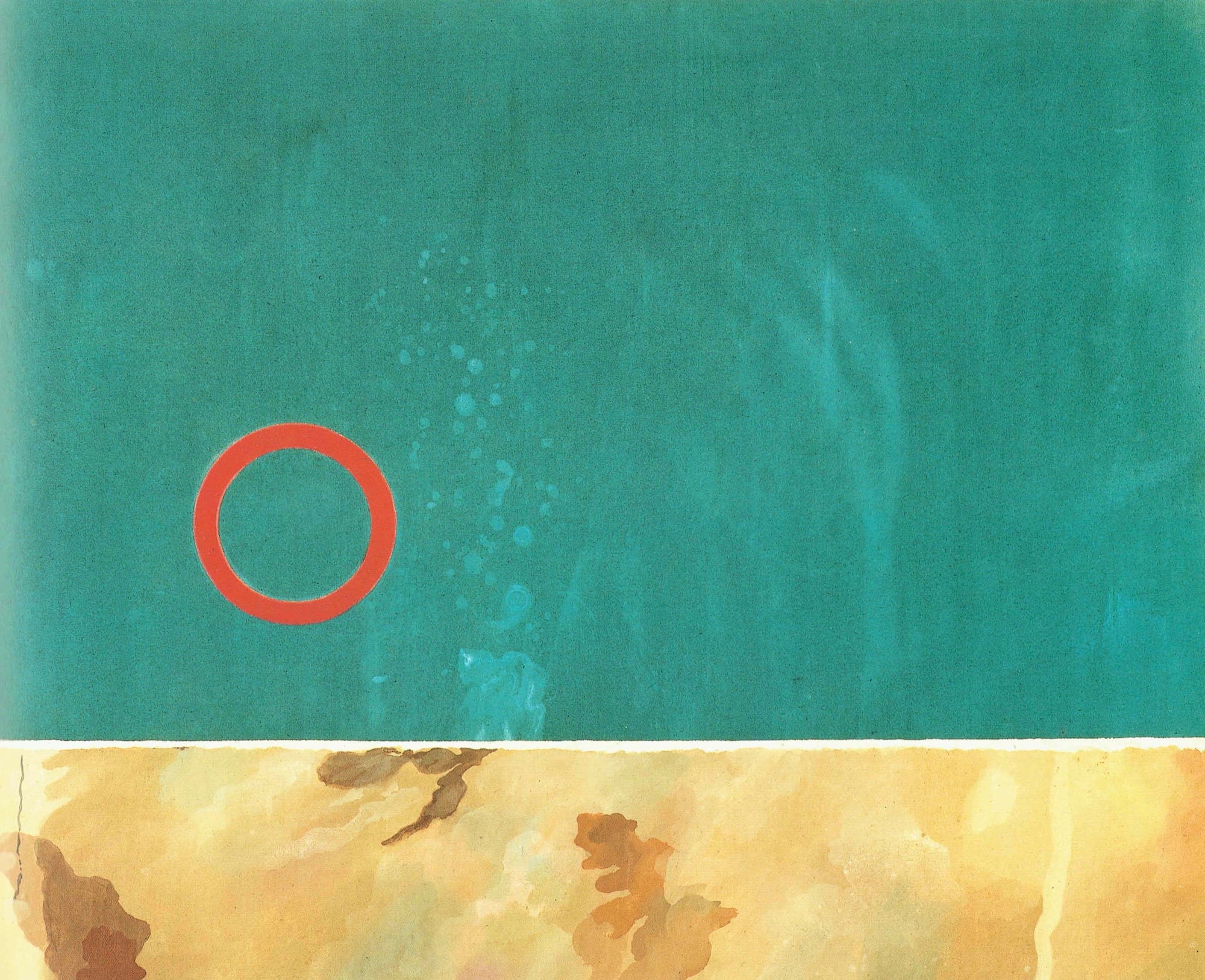
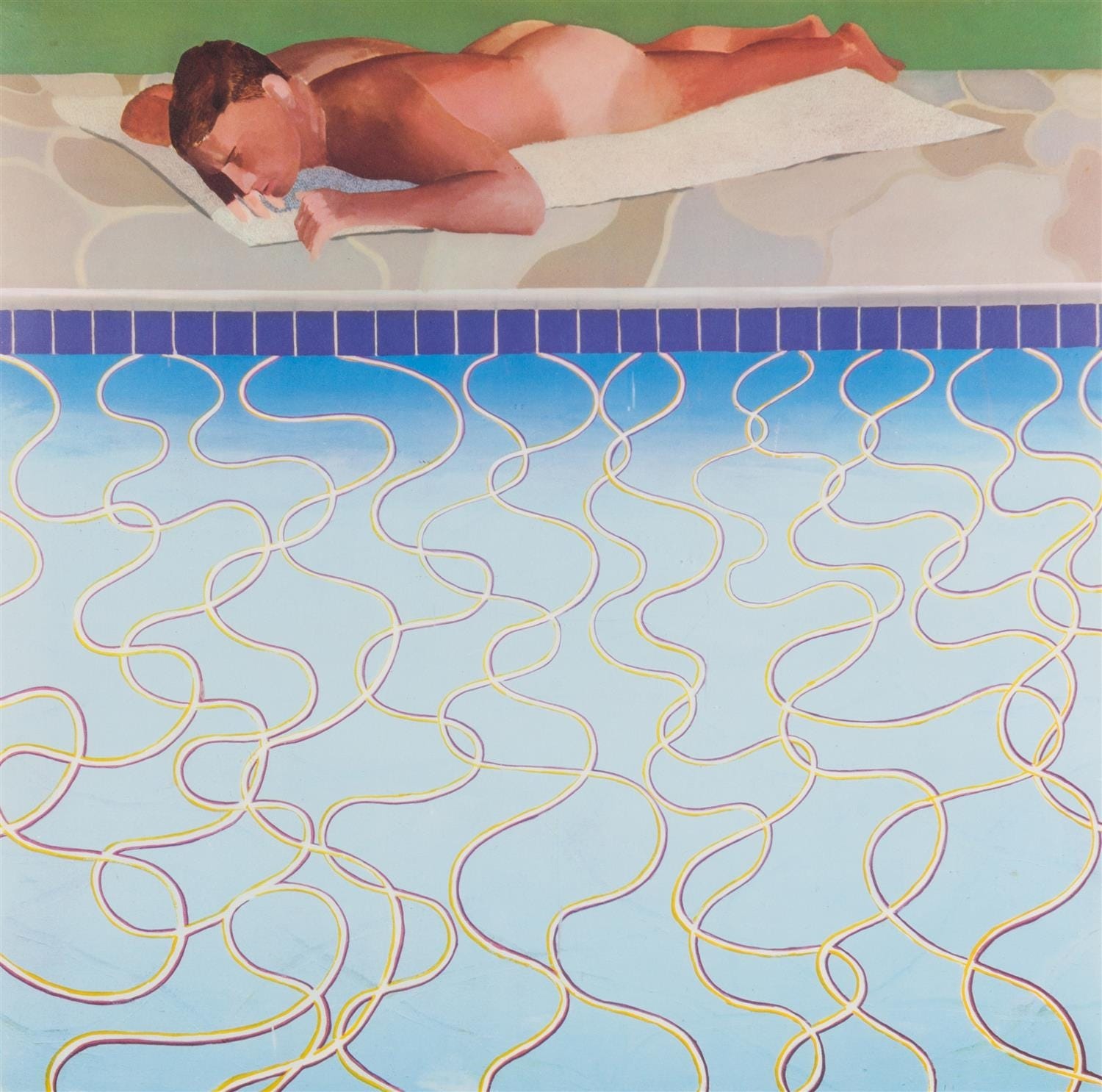
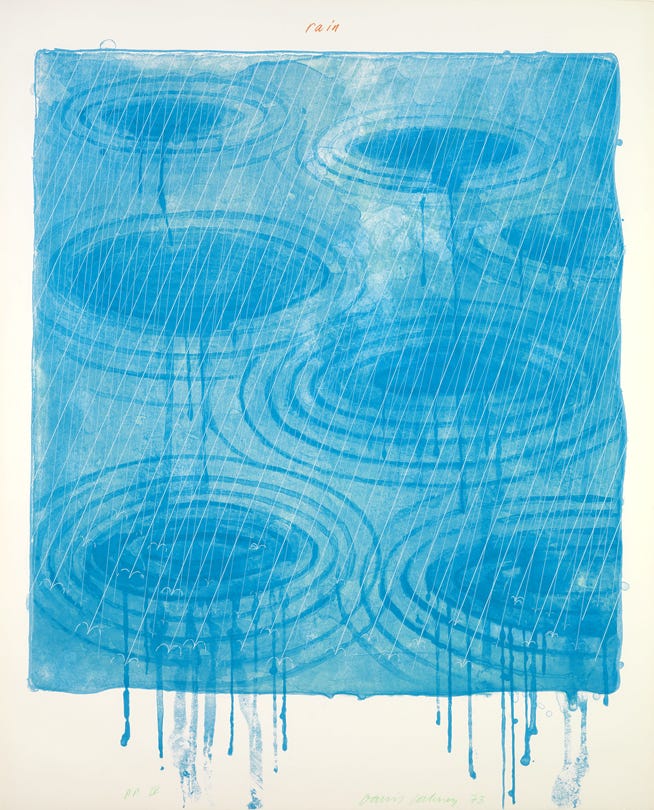
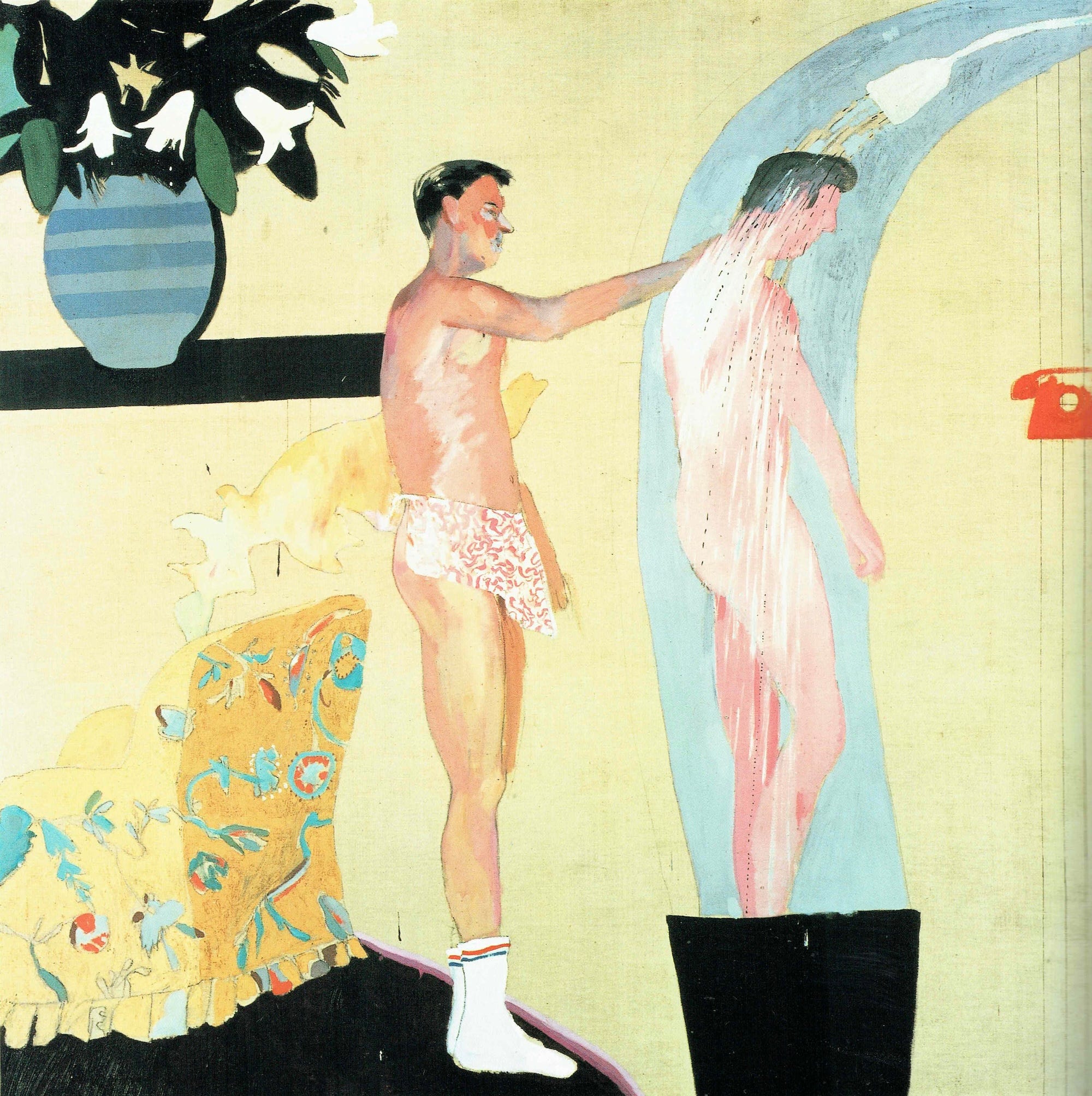
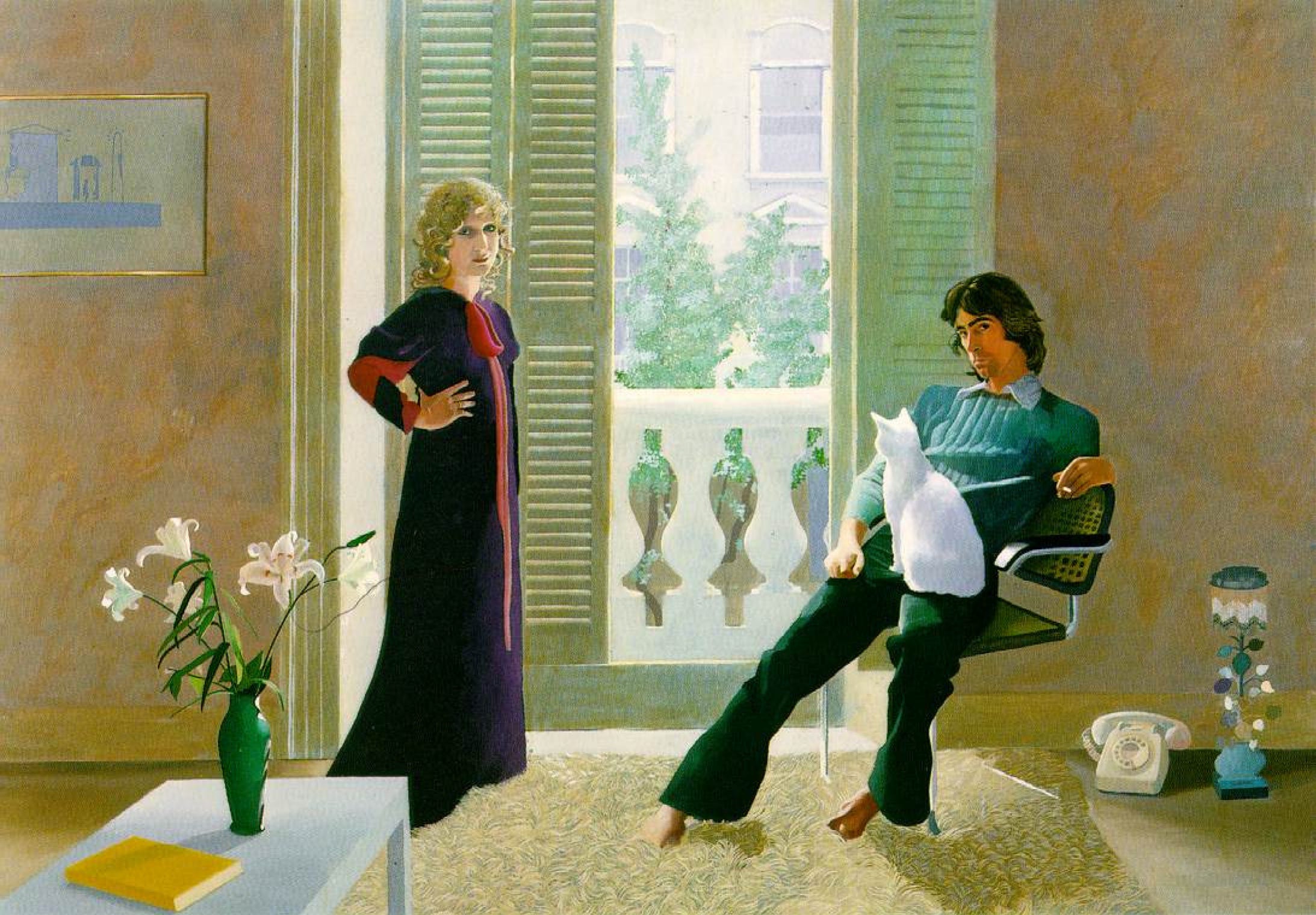
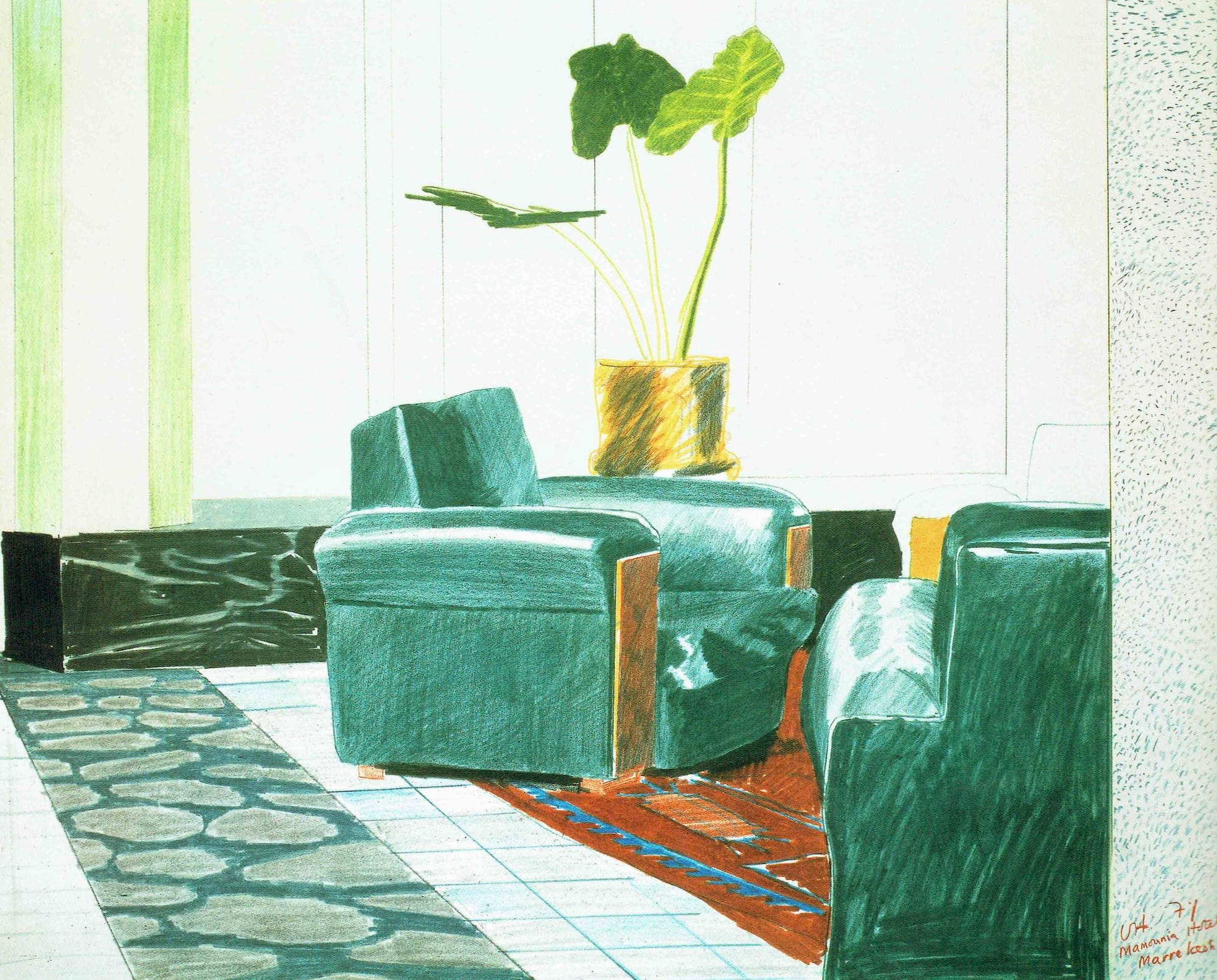
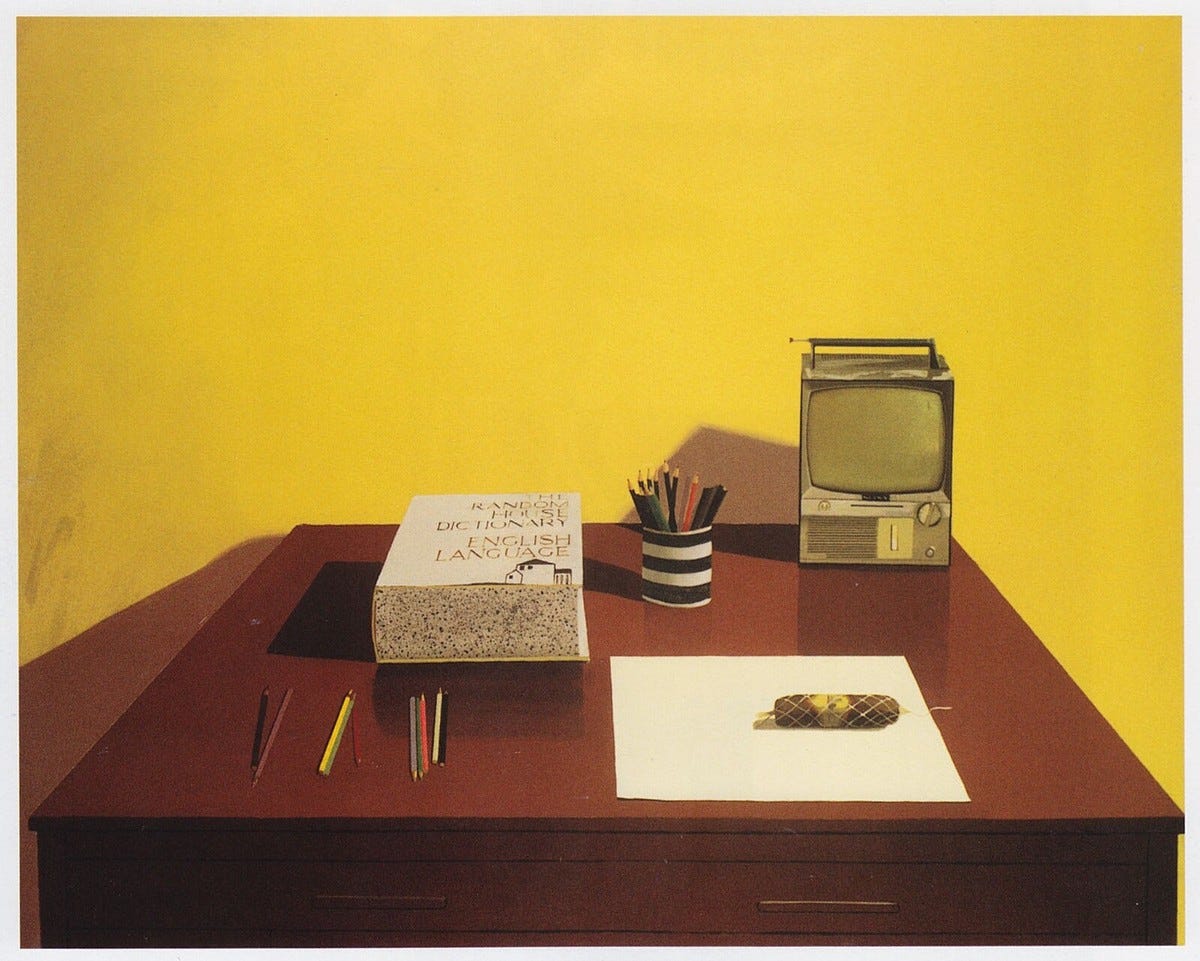
I’ve always found it slightly jarring to hear Hockney described as a Pop artist, a label that, perhaps unfairly, has connotations of unseriousness, and in any case seems much too narrow. Still, his artistic formation during the Pop Art era of the 1960’s has left many traces on his work. One of them, I think, is the curious equivalence between the way he represents people and objects. Famously, Pop Art tapped into the energy of an ascendant consumer culture, noticing, in particular, the way that advertising and media imbued commodities with a kind of personality, while turning personalities into commodities. Similarly, in much of Hockney’s art, people and things seem to share an essence somehow, to partake in the same radiant charisma, the intimacy of their presence offset by a vague, dreamlike artificiality, as though one had walked into a room and gradually realised that it was a stage set furnished with freshly-minted wax models.
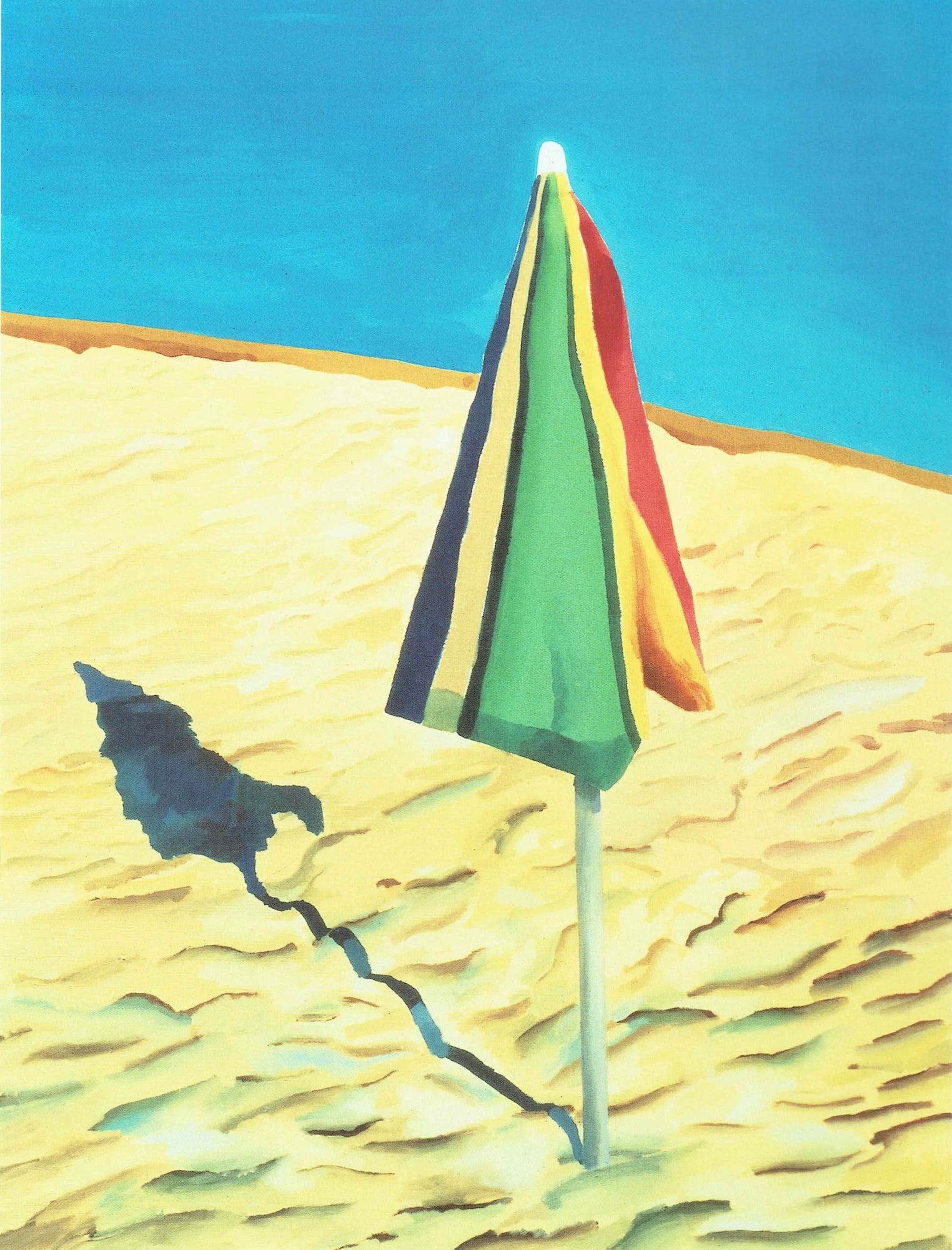
My final word on Hockney is not an original one, but it bears saying nonetheless. This was a man who evidently loved making artworks – loved to be busy, to have a brush in his hand, to be trying and learning and playfully engaged with his practice – and his special gift was that he was able to convey this pleasure in the pictures themselves. How rare, to see joy made into a profound and weighty thing. RIP.
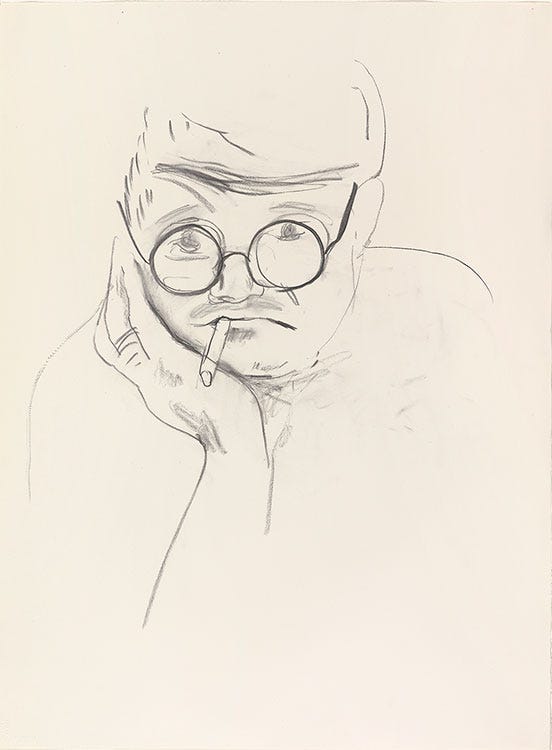
Artworks sourced from Hockney’s Pictures, published by Thames & Hudson.
Radiant charisma… dreamlike artificiality. Beautifully put.
Mr & Mrs Clarke is a personal favourite!